GRASSIMESSE LEIPZIG
DIVERSITY IS FIRMLY ANCHORED IN THE HISTORY OF APPLIED ART
Interview by Christoph Ziegler
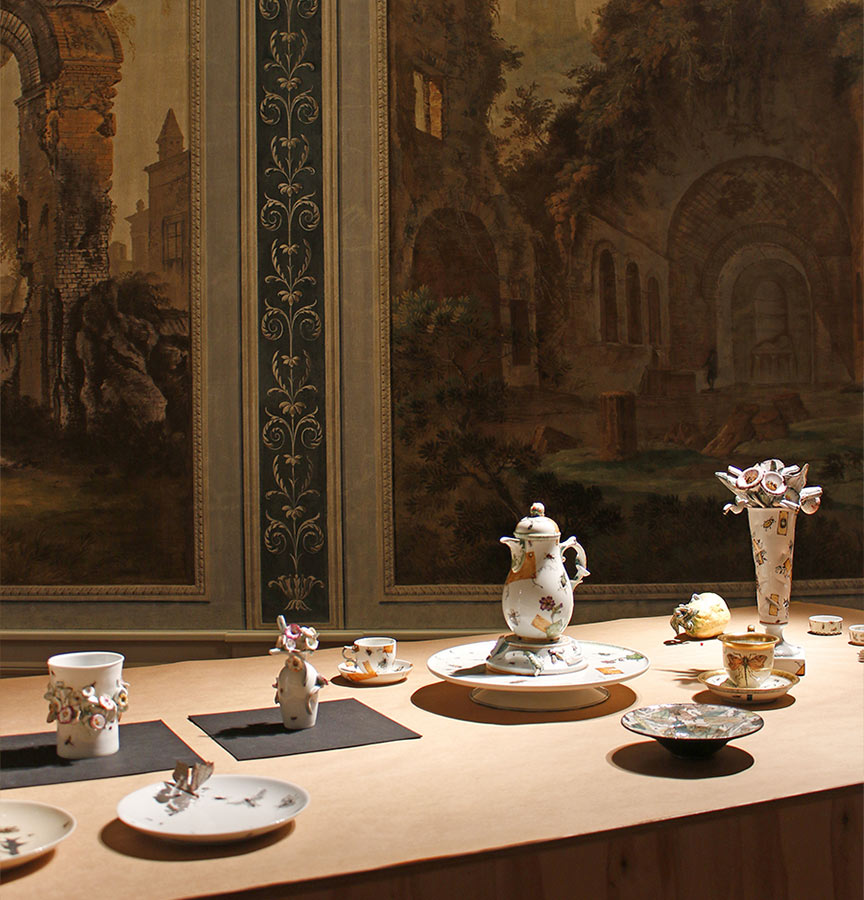
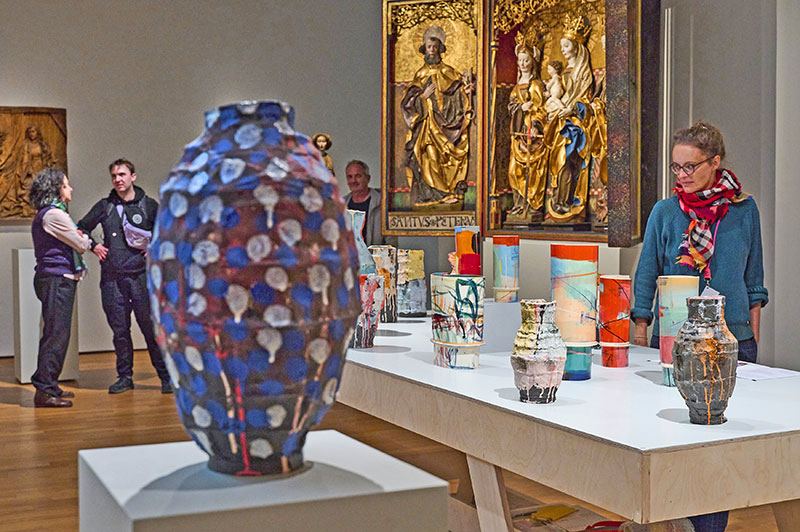 Grassimesse 2024, exhibition view. Photo: ©Grassi Museum Leipzig.
Grassi Fair curator Sabine Epple talks to SMCK Magazine about how the jury's decision to mix and match old heritage with new positions, functionality with defiance of the standard rules, and material diversity with numerous disciplines excites visitors and enhances artists’ dialogue with their creativity ancestors.
Quality is our number one condition for a successful application for the Grassi Fair. However, we also accept applications with an eye to exhibition diversity and the big picture of the stands and their exhibits. So we may have a stand with usable dinnerware next to a stand with ceramic sculptures on the edge between applied and fine art. In this exciting co-existence of positions, visitors experience the immense possibilities of working with a certain material as well as the diversity of artistic expression.
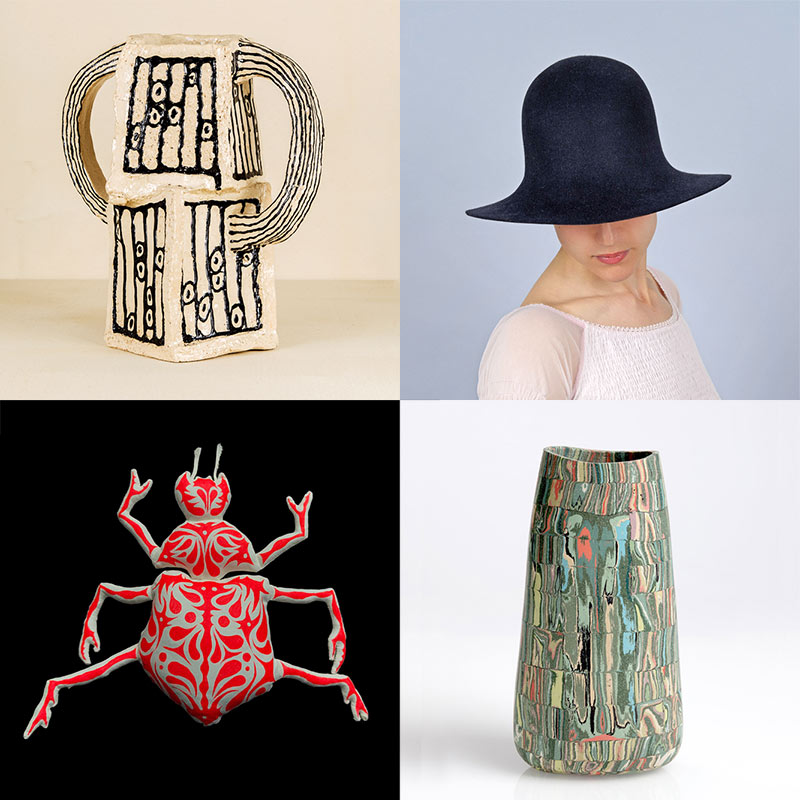
Clockwise from left: Karl Lobo – Vessel II. 2025 Apolline Prize recipient; Nada Quenzel – Belle, hat; Dorothee Wenz – Gefäss, ceramic; Paula Raab – Insect 2, textile.
This amplitude in materials and disciplines often leads visitors to a surprising insight: diversity is not a new phenomenon but is firmly anchored in the history of applied art. For many people, both amateur and professional artists, this is a true discovery.
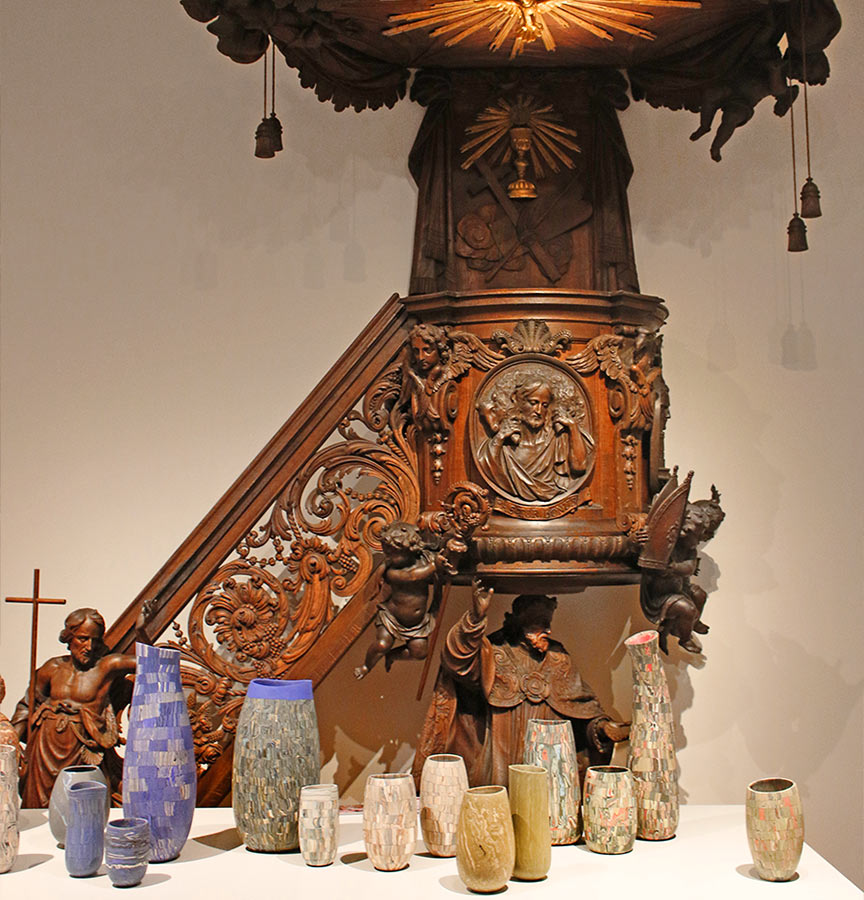
Here is an additional aspect. For the last few years, approximately one-third of the fair stands are placed in the museum halls alongside a permanent exhibition titled ‘Antiquity to historicism’. This new fair layout helps cast light on the historical context and integrates present positions in an exciting way.
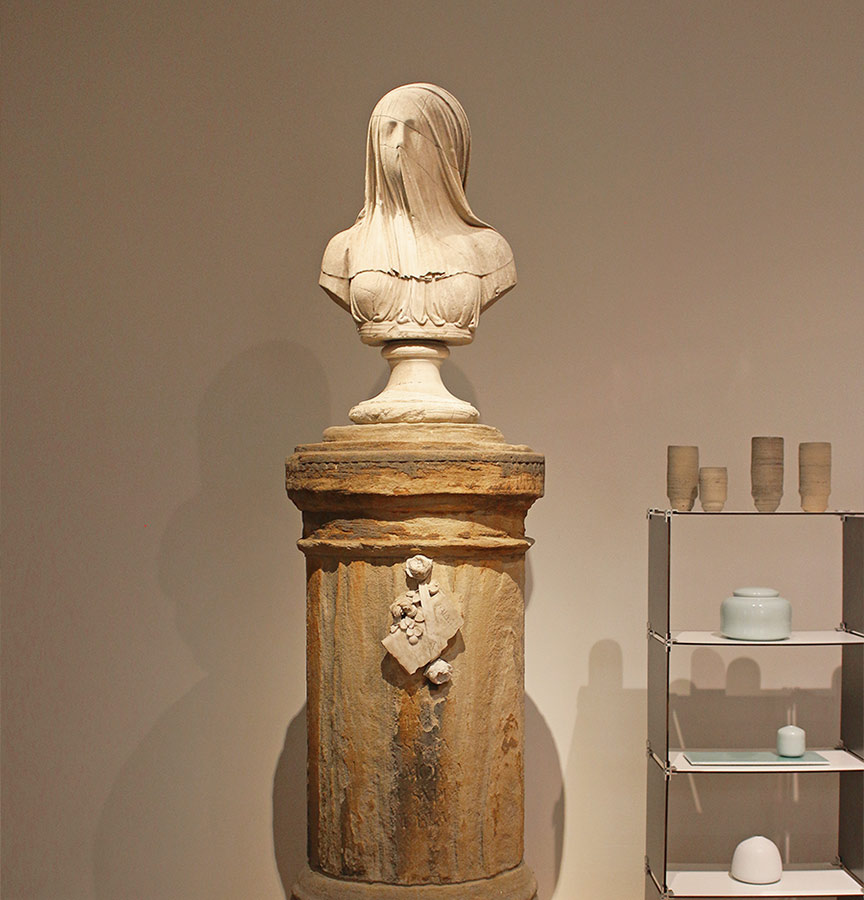
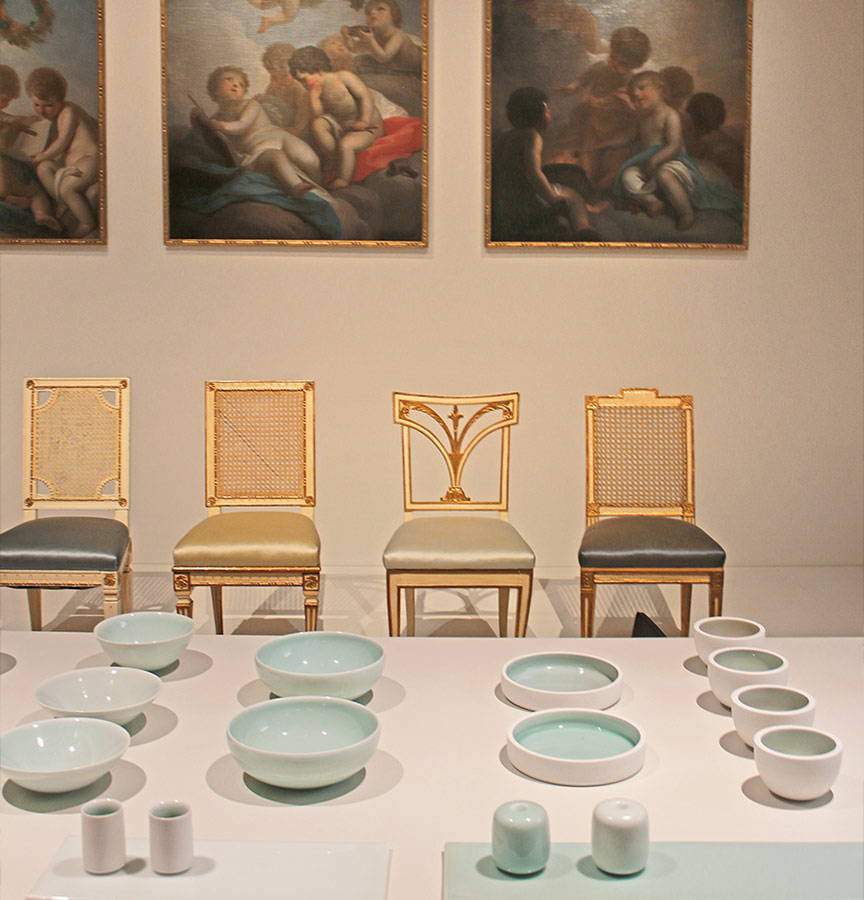
The fair’s extension into halls with historical artefacts is intriguing – a challenge for many participants. Artists develop concepts that correspond to this specific space in which they show their work. In this way, they create such delightful contrasts, enhancing the lively dialogue between contemporary design and its history.
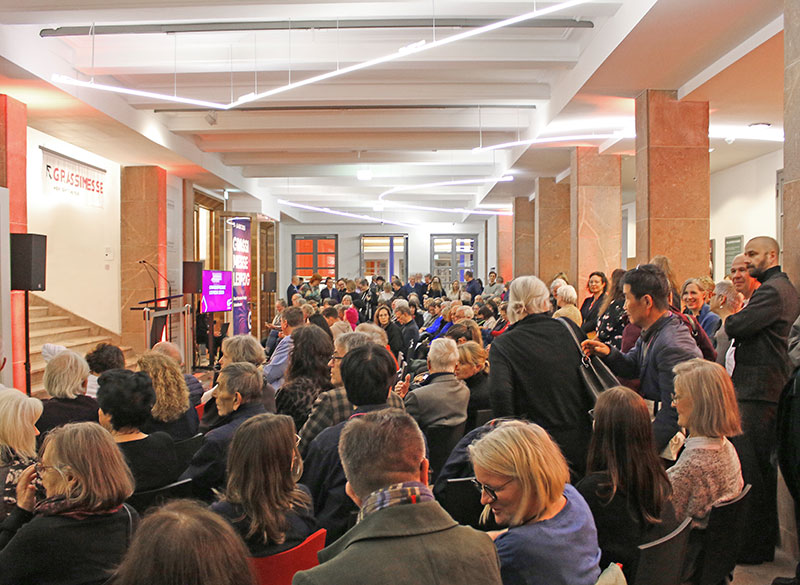 Grassimesse 2025, opening at Grassi Museum of Applied Arts in Leipzig. Chr. Ziegler.
This means, of course, that artists should meet more extensive preparations. These historical halls offer a special atmosphere, indeed, but not the possibility to present one's work in the classical way: there are no partition walls for hanging objects, no showcases, no spotlights for individual use. Creativity and flexibility are required.
Many artists consider this particular space, where contemporary objects are in dialogue with historical objects, as the most important factor for their display and present their work like in an installation or an art exhibition. We also have more space available in our regular exhibition halls now, and this allows artists to develop more free concepts on how they set up their stand.
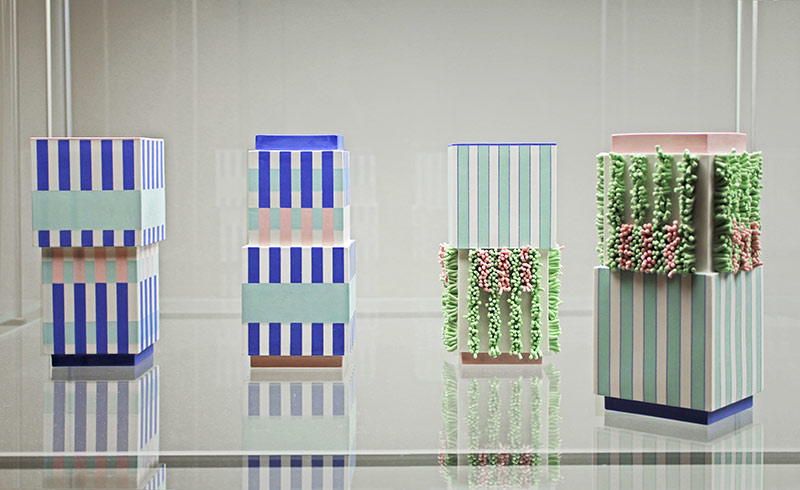 Jungwoon Lee, ceramic boxes, Grassimesse 2025. Photo: Chr. Ziegler.
A new prize for gemstone jewelry
The wide variety of jewelry positions in the fair is particularly inspiring and combines experimental and classical, old and new jewelry, minimalism and expressive design. It is also interesting to observe how artists use traditional material more and more rarely.
Beautiful stones deserve for makers to explore this potential in a contemporary, art-oriented way – namely in a critical, creative, and independent way. This is exactly what interests our new partner Ole Bergmann, who will award the Gemma Jewelry Prize for the first time this year. The 4,000-euro prize aims at encouraging designers to get involved with jewelry in a creative way, devoid of clichés. Bergmann's prize does not only address jewelry artists, but also creatives working in other disciplines.
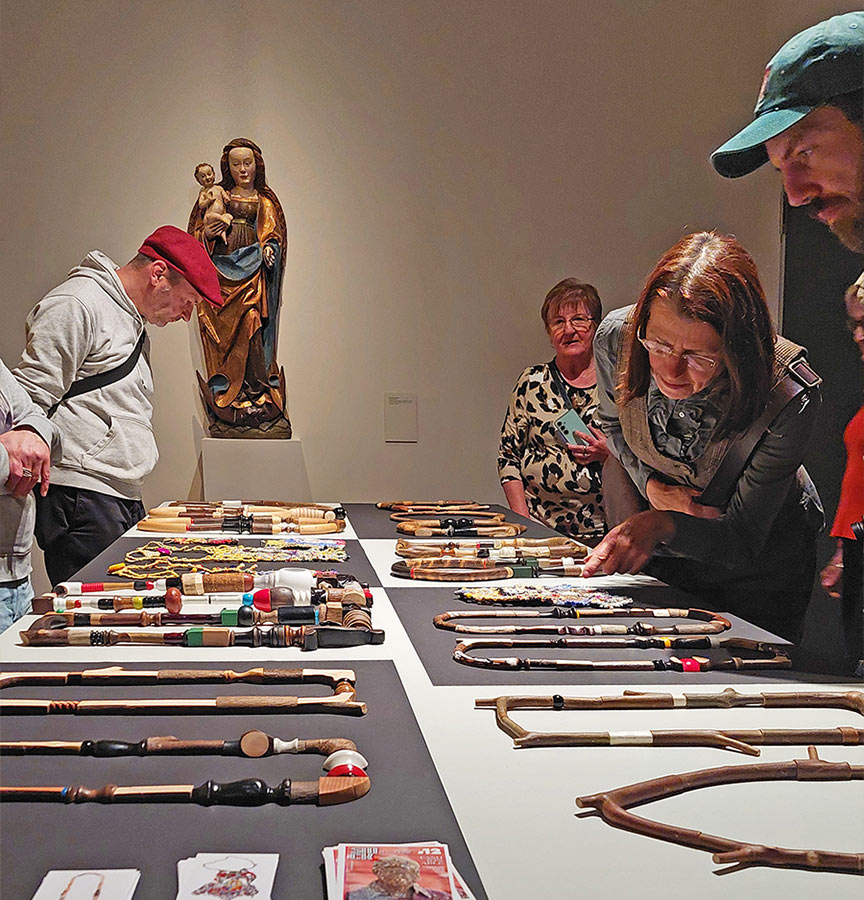
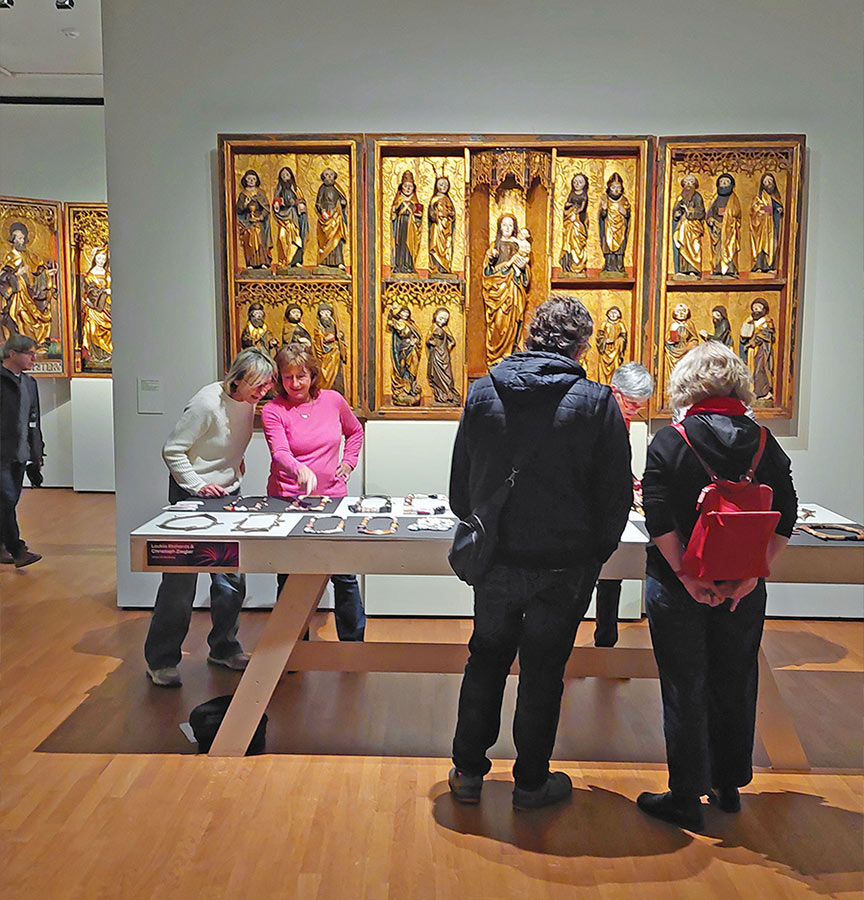
Visitors exploring jewelry by Loukia Richards and Christoph Ziegler, Grassimesse 2025. Photo: Chr. Ziegler.
We are in close contact with universities and invite them to participate in the fair or encourage their students who apply with a project. Next to our established partnerships, cooperation with new institutions is also very important for us. We give young graduates the opportunity to present their designs in our ‘Talentplattform’.
Two years ago, we introduced ‘University Insight’, which enriches our program and provides people with information on academic studies in the arts.
Grassimesse is an annual artisanal fair that takes place in October at Grassi Museum For Applied Arts in Leipzig.
Sonngard Marcks, porcelain. 2025 Grassi Prize recipient of the Carl and Anneliese Goerdeler Foundation Fund. Photo: Chr. Ziegler.
![]()
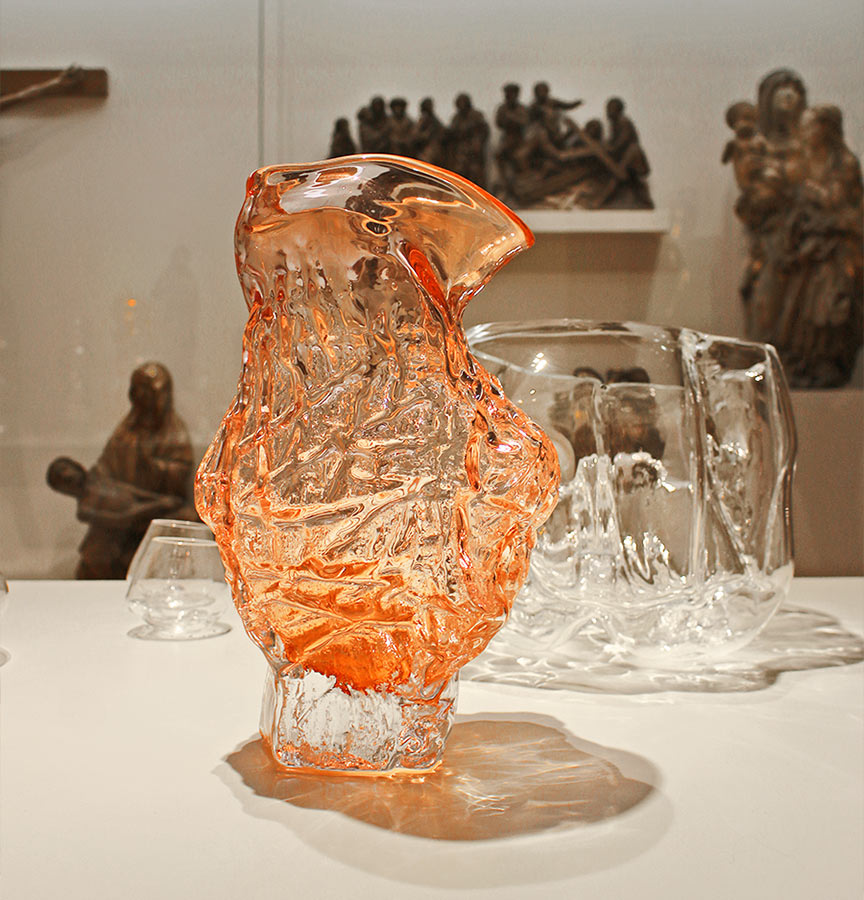
Andreas Rier, glass vessel. 2025 Friends of Grassi Prize recipient. Photo: Chr. Ziegler.
![]()
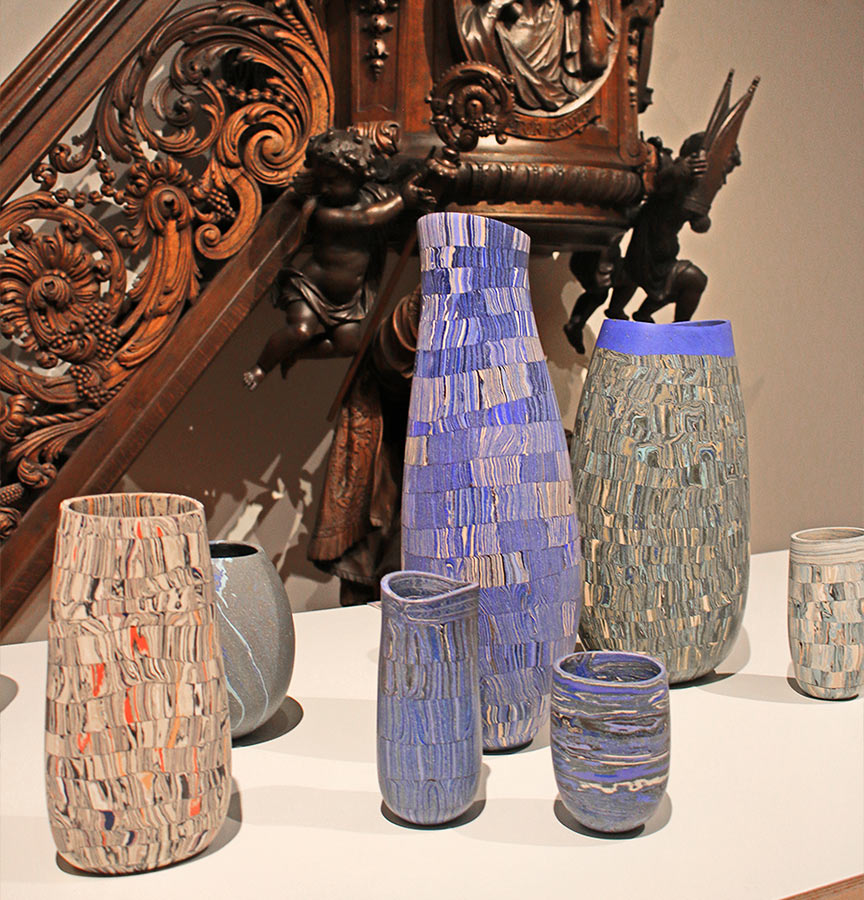
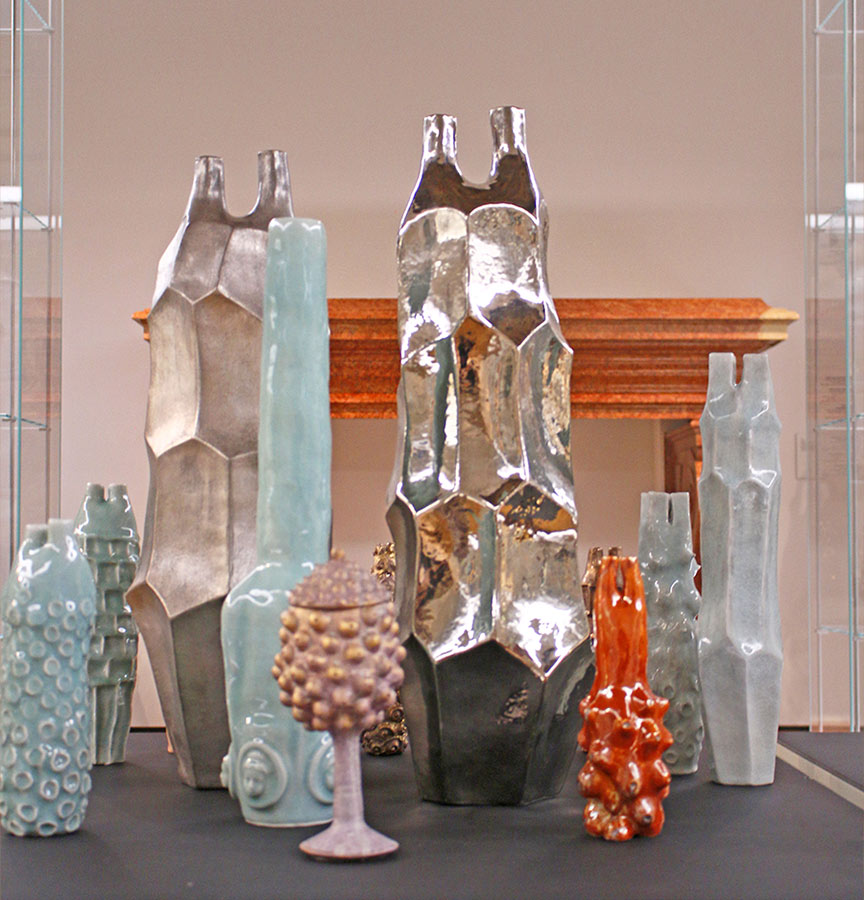
Dorothee Wenz, vessels. Colored clay and porcelain. Photo: Chr. Ziegler.
![]()
Dorothee Wenz, exhibition view. Photo: Chr. Ziegler.
![]()
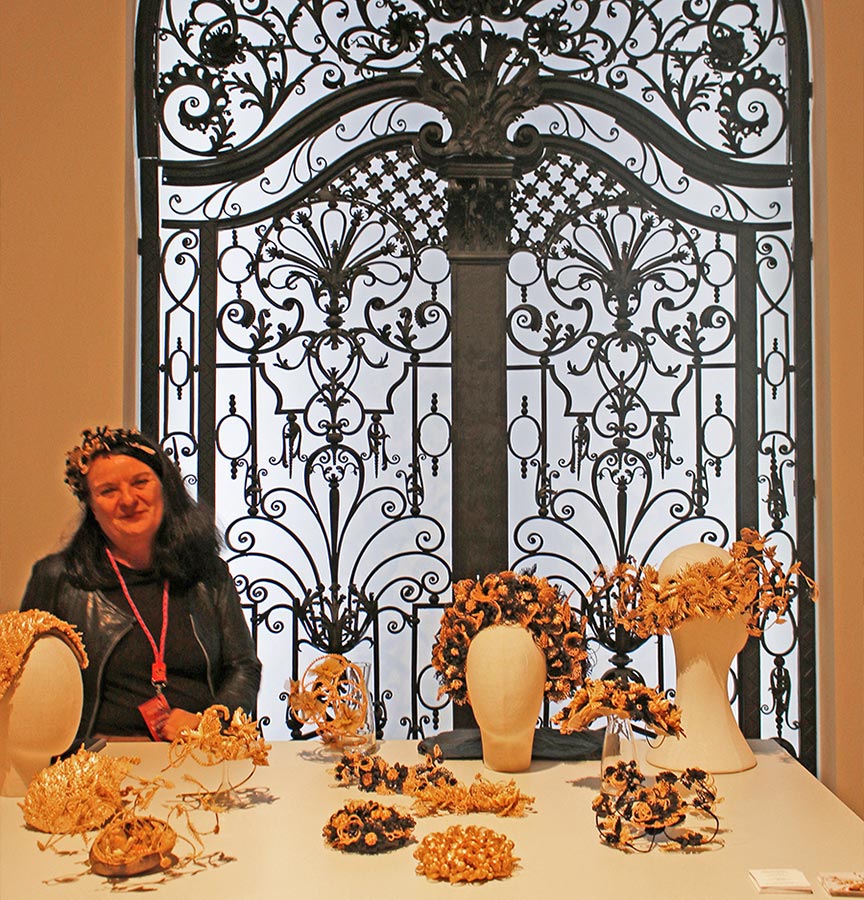
Soycomosoy (Christiane Englsberger), straw hat designs. Photo: Chr. Ziegler.
![]()
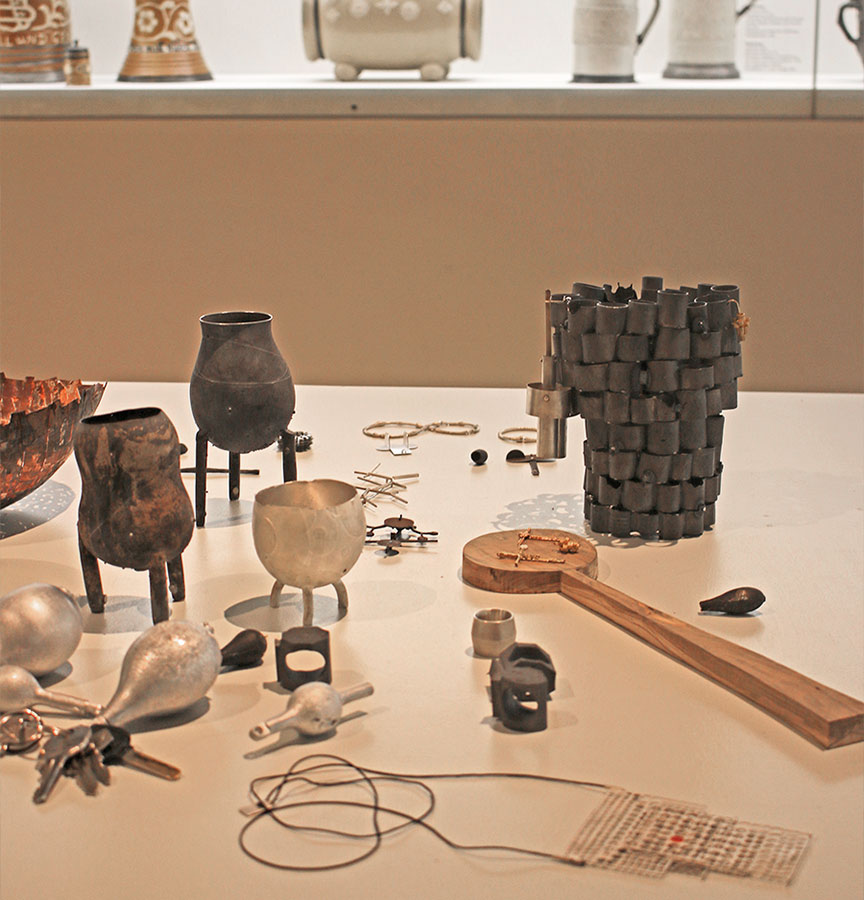
Loukia Richards and Christoph Ziegler, jewelry. Photo: Chr. Ziegler.
![]()
Exhibition view. Photo: Chr. Ziegler.
![]()
Kapsun Hwang & Sisook Kang, ceramic. Photo: Chr. Ziegler.
![]()
Ute Kathrin Beck, ceramic vessels. Photo: Chr. Ziegler.
![]()
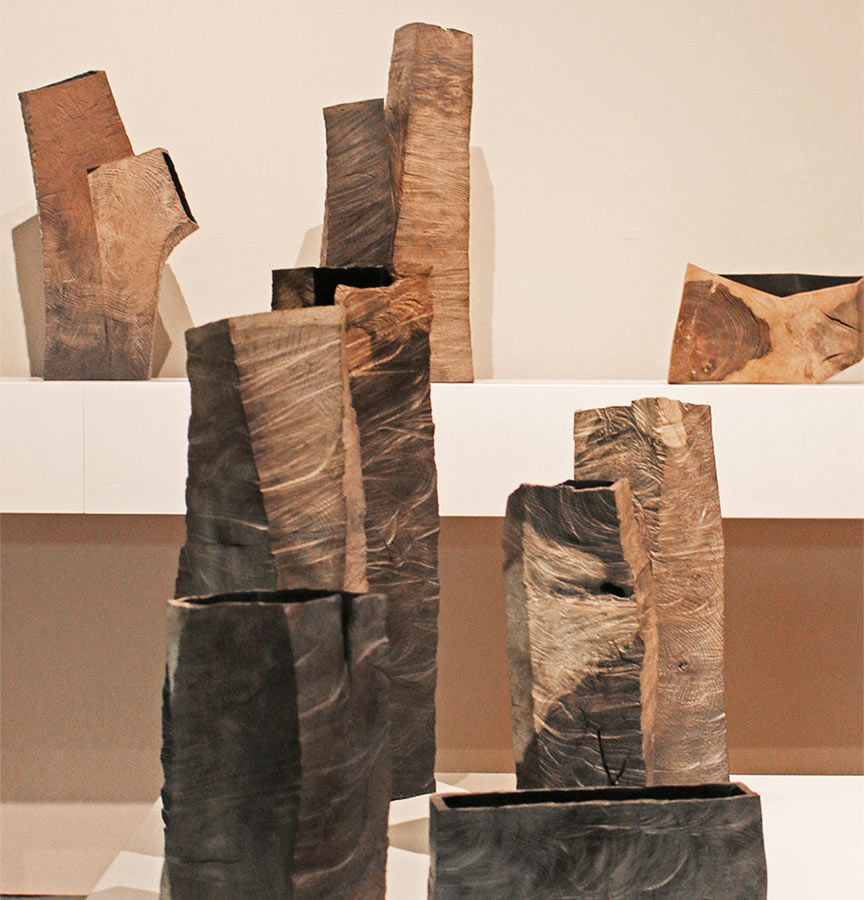
Konrad Koppold, wood objects. Photo: Chr. Ziegler.
![]()
Ludwig Menzel, metal objects. Photo: Chr. Ziegler.
LINKS:
www.grassimesse.de |
instagram: @grassimak