EDITORIAL
BEAUTY WILL SAVE THE WORLD*
By Loukia Richards
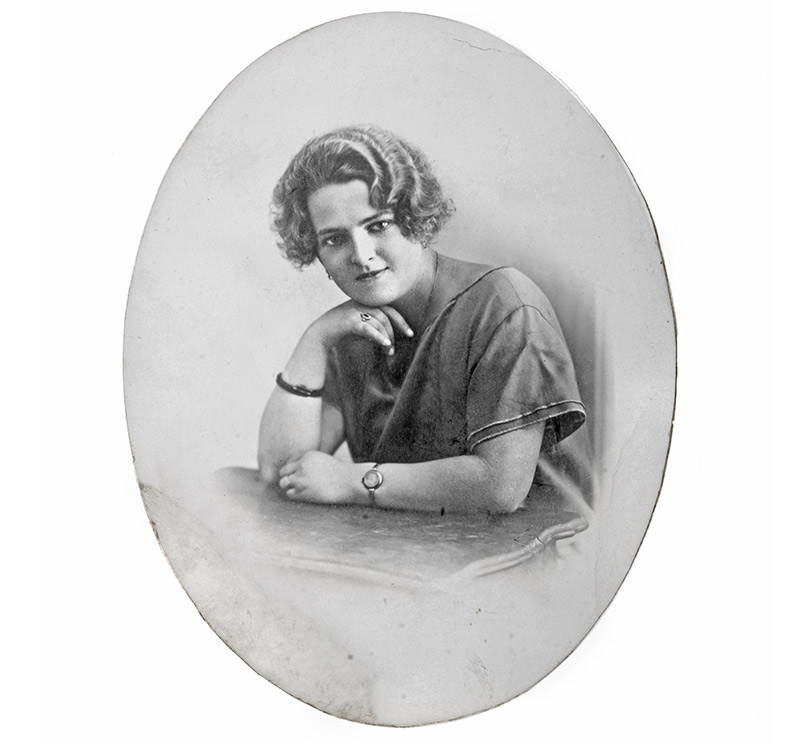 Athenian lady in the between-the-wars period (1918–1939). Private collection.
World War I and World War II each brought dramatic change to fashion. Hemlines, fabrics and textures, color, and fit of clothes as well as accessories, jewelry, and hair style illustrate how scarcity, suffering, and the role of women in the war effort changed wearers’ needs, tastes, and self-image in the twentieth century.
A series of global crises in the last five years have similarly changed how we look at things. The Covid-19 pandemic, the war in Ukraine, the October 7 carnage and the humanitarian catastrophe that followed, plus the political shift in the United States, have upended norms and beliefs that we believed indisputable since the fall of the Berlin Wall on 9 November 1989.
TINA (There Is No Alternative), globalization, large migration flows, consumerism and conspicuous consumption, and popular hedonism were the hallmarks of a long period of peace disrupted by traumatic and tectonic events such as the 9/11 terrorist attack, the Lehman Brothers bankruptcy, and the Arab Spring.
Quality requires study
Cancel culture, a Protestant-ethic obsession for collective goodness, and the censoring of those questioning TINA – that is, the effectiveness and viability of liberal capitalism – were the fallout of the neoliberal revolution.
Educational and social mobility goals, the production of ideas and innovation, and the spontaneity of human interaction were severely impacted; meanwhile, reason and the Greek legacy of political debate have been discredited.
Quality requires study; it demands constantly striving to improve, honesty, authenticity, commitment, humility, faith in beauty, and abandoning the pursuit of instant gratification. For a long time, a self-appointed ‘elite’ of academics, curators, institutional managers, and theorists labeled Western artists who dared draw inspiration from their country’s traditions as ‘conservative’, ‘reactionary’, ‘parochial’, ‘phobic’, and – last but not least – ‘Eurocentric’, a slur insinuating admiration for Europe’s colonial past.
The quality movement worked patiently and silently toward its goals, unshaken by bullying and uninfluenced by the awards and honors even highly reputable institutions granted to botcheries.
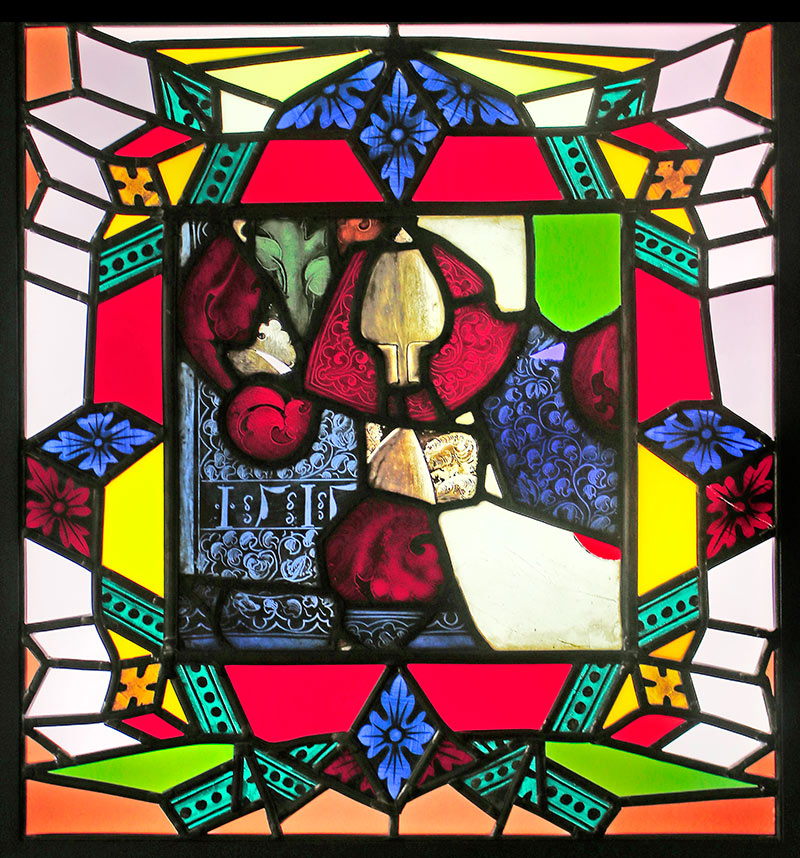 Stained glass window, 2021. Design by Thomas Moecker, execution by Kathrin Rahfoth using fragments of an emblem from the church in Leulitz, colored glass, engravings, lead. Grassi Museum of Applied Arts, Leipzig. Photo: Chr. Ziegler.
Pretentiousness, ignorance of art history, and contempt – even hate – for the other-minded dictated the discourse in the creative community in recent years. The silence of tolerant experts cemented the downfall.
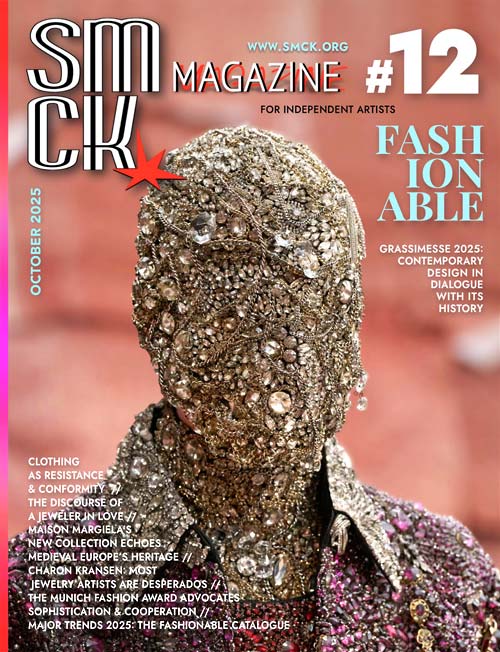
Fashionable presents four major currents that are shaping new looks in fashion, design, applied arts, and jewelry.
These emerging trends show how important it is for society and culture to protect, revive, and cherish what is emotionally rewarding and identity-supporting; to endorse tradition and invest it with a contemporary mission; to dare to be outspoken, integral, witty; to defend one's own beliefs and to pioneer progress.
Grassi Museum is the gentle guardian of design history, a tireless bridge-builder between contemporary creativity and art traditions and curator of one of Europe's oldest, most respected applied art fairs. Fashionable honors Grassi Museum's incessant initiatives to promote excellence.
*The Idiot, Fyodor Dostoyievsky
LINKS:
www.loukiarichards.net |
instagram: @loukiarichards